
Popular Tree Removal Products For Homeowners and Professionals
Discover a range of reliable tools and gear trusted by both DIY enthusiasts and industry experts for effective tree removal.
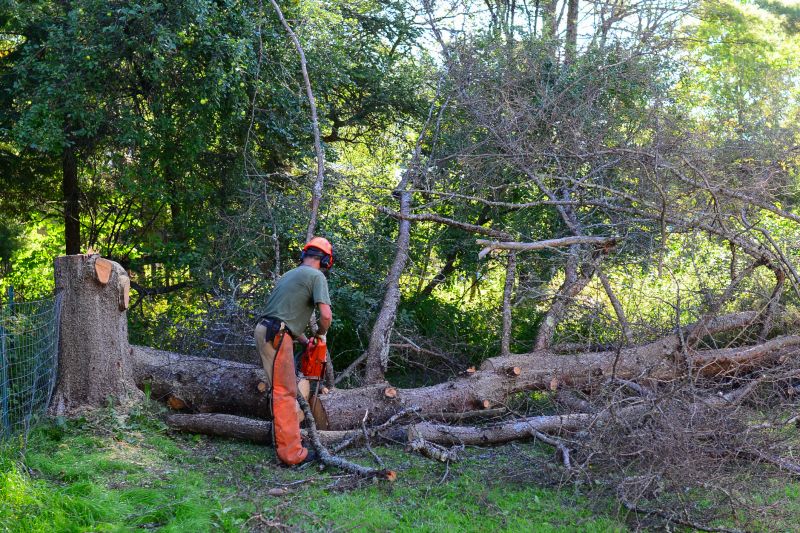 Tree removal is a significant task that requires appropriate tools and equipment to ensure safety and efficiency. Whether managing dead or hazardous trees or clearing space for new construction, selecting the right products can make the process smoother. In Asheville, NC, where mature trees are prevalent, having reliable tools is essential for both professional arborists and homeowners. The variety of products available caters to different removal scenarios, from small branches to large trunks, and understanding their features helps in making informed decisions.
Top Overall Option
Multi-Functional Tree Removal Kit
A comprehensive tree removal kit that includes a versatile chainsaw, protective gear, and supplementary tools like wedges and ropes. Designed for both professional and serious DIY users, it offers a balanced combination of power, safety, and convenience. This all-in-one package simplifies the process of tackling various tree removal tasks with reliable performance and ease of use.
Types of Products For Tree Removals
Chainsaws
Powerful handheld saws designed for cutting through thick branches and trunks, available in gas, electric, and battery-powered options.
Pruning Saws
Manual saws ideal for trimming smaller branches and detailed work, offering precision and control.
Pole Saws
Extendable saws that allow reaching high branches without climbing, suitable for pruning and light removal.
Chainsaw Chaps and Protective Gear
Safety equipment including chaps, helmets, gloves, and eye protection to ensure safe operation.
Wedges and Felling Tools
Tools used to control the direction of falling trees and to assist in cutting large trunks safely.
Stump Grinders
Machines designed to grind down tree stumps after removal, facilitating landscape restoration.
Ropes and Harnesses
Essential for securing and controlling large branches or trees during removal.
Loppers and Hand Pruners
Manual tools for trimming smaller branches and shaping trees before removal.
Log Splitters
Equipment used to split large logs into manageable firewood pieces post-removal.
Aerial Lifts and Cherry Pickers
Heavy machinery that provides elevated access for large-scale or difficult tree removals.
Debris Bags and Chutes
Accessories for collecting and managing cut branches and debris efficiently.
Hydraulic Tree Pullers
Heavy-duty attachments for pulling out stubborn or deeply rooted trees.
Root Removal Tools
Specialized equipment for extracting roots after stump grinding or excavation.
Cable and Winch Systems
Tools used to assist in controlled tree felling or moving large sections.
Safety Barriers and Signage
Items to secure the work area and warn others of ongoing removal activities.
Popular Choices
Wireless, portable saws favored for their convenience and ease of use in various removal tasks.
Lightweight and easy to handle, these are popular for smaller trimming jobs.
Highly versatile for reaching high branches safely from the ground.
Essential protective gear that offers reliable head and face protection during cutting activities.
Commonly used to direct the fall of large trees or branches.
Popular for post-removal landscaping to clear remaining stumps.
Widely used for controlling and guiding tree sections during removal.
Preferred for quieter operation and lower maintenance in smaller projects.
Efficient tools for processing wood after tree removal.
Complete sets that include various protective and operational gear for safer work.
Popular for large-scale or high-risk removals requiring elevated access.
Trusted for securing large branches and facilitating controlled felling.
Effective for extracting stubborn roots after stump grinding.
Highly useful for directing cut debris into collection areas.
Reliable for pulling or repositioning large tree sections safely.
Manual tools used to assist in the safe cutting and falling of trees.
Compact options favored for smaller projects and tight spaces.
Safety is paramount when undertaking tree removal projects. Proper protective gear, such as gloves, helmets, and eye protection, should always be used in conjunction with the right tools. Power tools like chainsaws are a staple, but manual options such as hand saws and pruning tools are also valuable for smaller jobs or detailed work. Additionally, accessories like ropes, harnesses, and wedges are crucial for controlling the fall of large branches or trees, reducing the risk of accidents.
Choosing the appropriate equipment depends on the size and type of tree, the complexity of the removal, and the environment. For instance, delicate urban settings may require more precise and less invasive tools, while larger rural projects might necessitate heavy-duty machinery. Proper planning and equipment selection can help ensure that the removal process is safe, effective, and compliant with local regulations. Investing in quality products can also improve efficiency and reduce the likelihood of damage or injury during the operation.
In Asheville, North Carolina, where tree management is often part of property maintenance, having access to a wide range of removal products is beneficial. From basic pruning saws to advanced stump grinders, the right tools can adapt to various needs. Understanding the scope of the project and selecting products suited to the specific task will lead to better results and safer work practices.
Key Buying Considerations
- Tree size and species: Determine the appropriate tools based on the diameter and type of tree to be removed.
- Project scale: Assess whether the task is small-scale DIY or requires professional-grade equipment.
- Safety features: Look for protective gear, safety switches, and ergonomic designs to minimize risks.
- Power source: Decide between gas, electric, or battery-powered tools based on mobility and convenience.
- Ease of use: Consider the user experience, especially for DIY enthusiasts or those new to tree removal.
- Durability and build quality: Invest in sturdy, well-made tools that can withstand demanding tasks.
- Maintenance requirements: Choose tools that are easy to maintain and service.
- Environmental conditions: Account for weather and terrain, selecting suitable equipment for outdoor use.
- Local regulations: Ensure compliance with Asheville and North Carolina tree removal laws and permits.
- Budget constraints: Balance cost with quality and functionality to find the best value.
- Availability of accessories: Check if compatible accessories like blades, chains, or safety gear are readily available.
- Storage and portability: Consider how easy it is to store and transport the equipment.
- Noise levels: Be mindful of noise restrictions in residential or urban areas.
- Environmental impact: Avoid tools that produce excessive emissions or waste, if relevant.
- After-sales support: Opt for brands or suppliers that offer reliable customer service and warranty options.
This page contains affiliate links. We may earn a commission if you make a purchase through these links, at no additional cost to you.